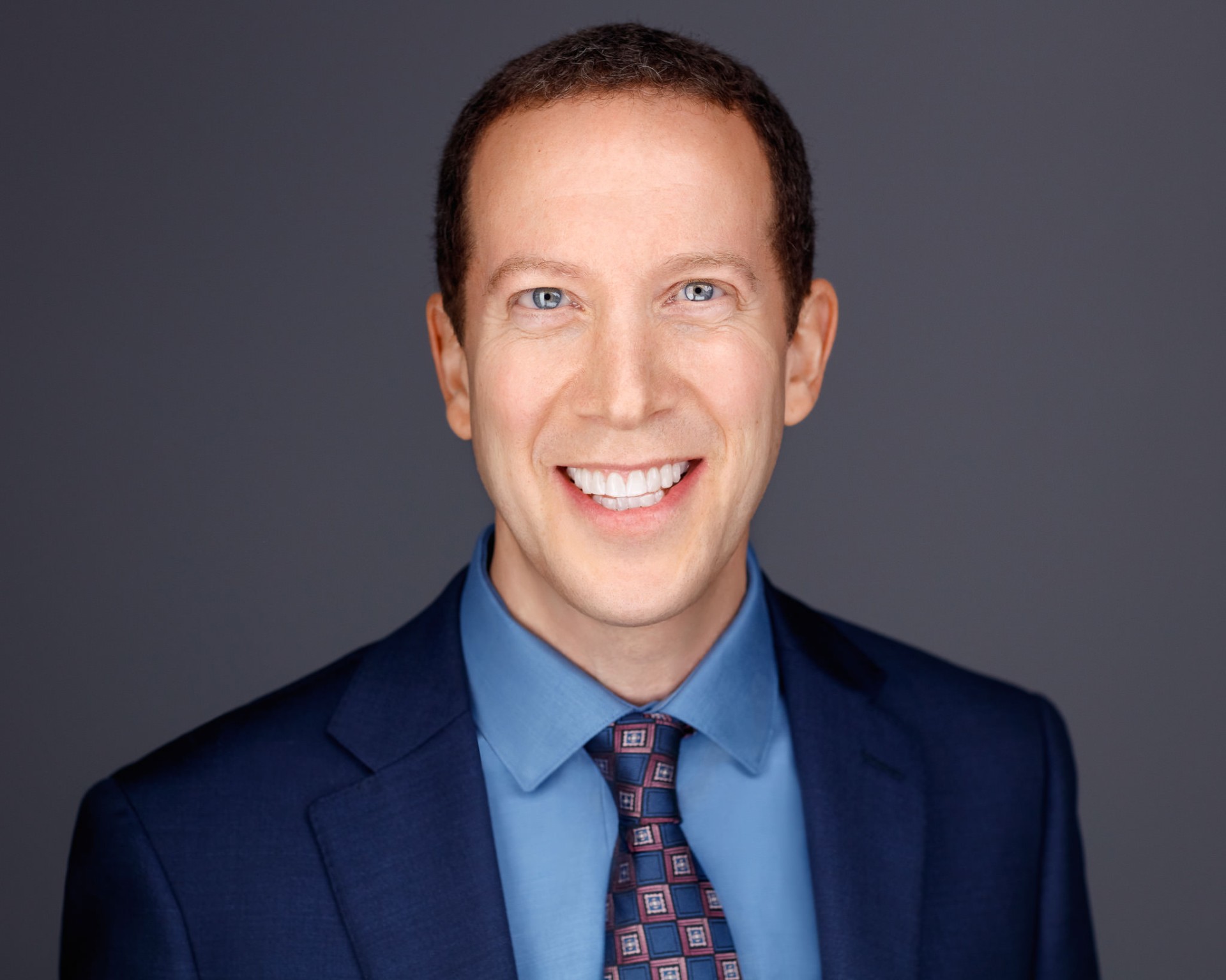

Michael Fox — Licensed Insurance Advisor
Michael Fox Insurance
Phone: 856-676-9358
Email: michaelfox133@icloud.com
michaelfoxinsurance.online
Life & Disability Insurance for Doctors and Dentists
Protect your income, your family, and the practice you sacrificed a decade to build
Printed September 22, 2026
Your paycheck is the asset.Protect it like one.
You spent 10+ years and six figures of debt becoming the person who earns this income. One injury, one diagnosis, or one bad day can take it all away — unless you set it up properly now. This is the no-jargon, no-pressure version of life and disability insurance for doctors and dentists.
Independent. Shops every major carrier. No products sold by my firm — I work for you.
Why generic advice doesn't fit you
Most personal-finance articles are written for someone who earns $80K and started saving at 22. That isn't you. Here's what makes your situation different.
You started earning late — and with debt
Most of your friends had a decade of paychecks and 401(k) matches while you were in school and residency. You're playing catch-up with student loans on your back. Every year of lost income is a year you can't get back.
Your body IS the business
A hand tremor, a back injury, vision change, or a long illness can end your ability to work — even if you can still walk into the office. For a dentist, surgeon, or proceduralist, 'disabled' doesn't mean bedridden. It means you can't do the one thing you trained for.
Your income is the asset
A 35-year-old physician earning $350K will earn roughly $14 million before retirement. That paycheck is the single most valuable thing you own — bigger than your house, your 401(k), and your practice combined. Protect it first.
Hospital and group coverage isn't enough
Group long-term disability usually replaces 50–60% of base salary, is taxable when you didn't pay the premium, and disappears the day you change jobs. It is a starting point, not a plan.
The five policies that actually matter
Skip the noise. These are the pieces a doctor or dentist needs — and the order to think about them in.
Own-occupation disability insurance
Pays you a monthly check if you can't do YOUR specific job.
This is the single most important policy a doctor or dentist owns. 'Own-occupation' means if you can't perform the duties of your specialty — even if you could technically work at Starbucks — the policy still pays. Group plans usually don't say that.
Who needs it: Every doctor, dentist, surgeon, anesthesiologist, and resident. Buy it before residency ends if possible.
Term life insurance
A big chunk of cash to your family if you don't make it home.
Cheap, simple, and does one job: replaces your income and pays off debt so your family keeps their life. For a healthy 35-year-old physician, $2–3 million of 20-year term often costs less than a phone bill.
Who needs it: Anyone with a spouse, kids, student loans co-signed by family, or a mortgage. Even single residents with private student loan debt.
Permanent life insurance (for the right reasons)
A tax-advantaged bucket that grows for life and pays out tax-free.
Once you're maxing the 401(k), backdoor Roth, and HSA, high earners run out of tax-advantaged room. A properly designed permanent policy gives you another tax-free bucket, a tax-free death benefit, and (in most states) protection from lawsuits and creditors.
Who needs it: Mid-career physicians and practice-owning dentists who already have term in place and want a tax-smart way to save more than the IRS lets them put in a Roth.
Overhead expense disability (for practice owners)
Keeps the lights on at the practice if you're out for months.
Rent, staff payroll, lease payments, supplies — they don't pause because you broke your wrist. This policy reimburses business overhead so the practice you built doesn't dissolve while you recover.
Who needs it: Any dentist, physician, or specialist who owns a practice or is a partner in one.
Buy-sell funding (partners only)
Money to buy out your partner — or their family — if one of you dies or can't work.
Without it, you can end up in business with your partner's spouse, ex-spouse, or kids. With it, the surviving partner gets the practice, and the family gets a fair check. Clean. Done. No lawyers.
Who needs it: Any practice with 2+ owners.
The riders that actually matter
A "rider" is a feature you add to the policy. Most aren't worth the money. These six are.
Own-occupation rider
Pays you if you can't do YOUR specialty — even if you could do other work.
Future increase / future purchase option
Lets you raise your coverage as your income grows, with no new medical exam. Essential for residents and early-career attendings.
Residual / partial disability rider
Pays a portion of the benefit if you can still work part-time or at reduced capacity. Most disability claims are partial, not total.
Cost-of-living adjustment (COLA)
Bumps your monthly check with inflation if you're on claim for years.
Catastrophic disability rider
Extra monthly money on top of the base benefit if you need help with daily activities (think: feeding, bathing, dressing).
Term conversion option
Lets you turn term life into permanent coverage later — even if you become uninsurable.
Real doctors. Real plans.
Composites based on actual clients. Names changed, structures real.
Dr. Patel — 31, Internal Medicine resident → attending
Finishing residency. $220K student loans. Engaged. Joining a hospital at $280K starting.
The plan
Locked in $20K/month own-occupation disability + $2M of 20-year term BEFORE her contract started.
Result: Paid resident rates (lowest she'll ever see). Future income raises auto-bumped her coverage. Cost: ~$240/month total.
Dr. Kim — 42, Oral Surgeon, practice owner
Owns his practice. Two kids, big mortgage, $1.4M practice loan. Earns $620K. Has only group LTD.
The plan
Added individual own-occ disability, $25K/month business overhead policy, $5M term, and a properly designed permanent policy funded with savings he was already paying tax on.
Result: If he's out 6 months, the practice survives. If he passes, his family is debt-free and the practice has buy-sell money to transition cleanly.
Dr. Alvarez — 36, ER physician, single, no kids
Earns $410K. Aggressive saver. Thinks she doesn't need life insurance because she's single.
The plan
Skipped life insurance for now (correct). Loaded up on individual disability with a future increase rider and started a small permanent policy for tax-free growth.
Result: Her paycheck is bulletproof. When she gets married in 2 years, the future increase rider lets her add more coverage with no new medical exam.
Drs. Romano & Lee — 48 & 46, dental practice partners
50/50 partners. Practice worth $2.6M. No buy-sell in place.
The plan
Cross-purchase buy-sell funded with life insurance on each partner + matching disability buy-out coverage.
Result: If either one dies or is permanently disabled, the surviving partner buys the practice using insurance money — not a bank loan, not the family's negotiation skills.
The things doctors tell me — and what's actually true
Smart people believe these. They cost real money.
"I have disability insurance through the hospital — I'm covered."
Group plans usually replace ~60% of base salary, exclude bonuses and call pay, are taxable, and end the day you leave. They also use the easier 'any occupation' definition after 24 months — meaning if you can answer phones, they may stop paying. You need an individual own-occupation policy on top.
"I'm young and healthy. I'll buy it later when I have more money."
Rates are based on your age and health today. Wait until you have a knee surgery, a depression diagnosis, or a high cholesterol reading and either the price jumps, exclusions appear, or you become uninsurable. The cheapest policy you will ever buy is the one you buy this week.
"Disability insurance is too expensive."
A healthy 32-year-old physician typically pays 1–3% of income for solid own-occupation coverage. That's a rounding error against a $350K salary and the $10M+ of future income it protects.
"Term life is enough. I don't need anything fancy."
For most early-career doctors, that's exactly right — get the term first. Once you outgrow your tax-advantaged accounts and start hitting the AMT or NIIT, permanent insurance becomes a serious tool. Order matters: term first, fancy stuff later.
"I'll just self-insure. I make plenty."
You can't self-insure a paycheck you haven't earned yet. The whole point of insurance is to cover the years between now and when you actually have enough saved to walk away. For most doctors that's 20+ years.
The right order
Do it in this sequence and you'll never have to redo it.
- 1
Lock in own-occupation disability
Before residency ends if possible. This is non-negotiable.
- 2
Add term life insurance
If anyone depends on your income, or you have co-signed debt.
- 3
Max your tax-advantaged buckets
401(k), backdoor Roth, HSA. Get every match.
- 4
Add overhead + buy-sell (if you own a practice)
Keep the doors open and the partnership clean.
- 5
Layer in permanent insurance for tax-free growth
Only after the above are done. Built right, not sold.
The most common mistake: buying permanent insurance before locking in disability. Build the foundation first.
Straight answers
The questions doctors and dentists actually ask me.
A 20-minute call could protect a 30-year career.
No sales pitch. No products pushed. I'll show you exactly what you have, what's missing, and what (if anything) needs to change — in plain English.
Important — educational illustration only
The figures shown are hypothetical and produced by a simplified model for education and discussion only. They are not a quote, projection, recommendation, or guarantee of future results. Actual outcomes vary based on your individual circumstances — including age, health, income, tax filing status, state of residence, time horizon, market performance, product design, carrier underwriting, and changes in tax law. Tax-advantaged strategies referenced (e.g., Roth conversions, cash value loans, qualified plan withdrawals) carry rules and consequences that depend on your specific situation; cash value life insurance assumes the contract is properly structured (non-MEC) and remains in force. Nothing on this page constitutes tax, legal, accounting, or individualized investment advice. Please consult your own licensed tax professional, attorney, and financial advisor before acting on any concept presented here.
Keep exploring
Related resources worth your time
Understanding Disability Income
Plain-English deep dive into how disability insurance actually works.
Read: Understanding Disability IncomeUnderstanding Life Insurance
Term, whole, IUL — every type explained in plain English.
Read: Understanding Life InsuranceBusiness Owner Playbook
Practice owners: the strategies built specifically for owners.
Read: Business Owner PlaybookGet an Instant Quote
See indicative life rates in 60 seconds — no SSN, no spam.
Read: Get an Instant QuoteYour First Meeting
Exactly what to expect on a 20-minute intro call. No pressure.
Read: Your First Meeting